
Last Updated: October 30, 2026
Quick Summary
Signs your car needs suspension repair include a rough or bouncy ride, knocking or clunking noises, poor handling, and uneven tyre wear. If you notice several of these together, or oil leaking from a shock absorber, book a professional suspension repair inspection rather than waiting.
- Continued bouncing after a bump often points to worn shock absorbers or struts on that corner.
- Oil leaking down a shock or strut body means that unit is worn and should be replaced.
- Replace shock absorbers in pairs on the same axle to keep handling balanced.
- Stop driving and arrange prompt inspection if a clunk gets worse quickly or a wheel feels loose.
- Suspension repair often needs a wheel alignment afterwards, so budget for it.
Table of Contents
- Why Your Suspension Matters for Every Drive
- Signs Your Car Needs Suspension Repair: The Main Symptoms
- How to Check Car Suspension at Home in Five Simple Steps
- Signs of Bad Shocks and Struts to Watch For
- When to Replace Shock Absorbers and Whether to Do Them in Pairs
- Suspension Repair Cost and What Affects the Price
- Booking Your Suspension Inspection with Northside Autocare
- Frequently Asked Questions
Your car’s suspension does more work than most drivers realise. It holds the tyres on the road, keeps the body steady over bumps, and helps you steer and brake with confidence. When it starts to wear out, the signs can creep in slowly, so it helps to know what to look for before a small problem becomes an expensive one. Suspension problems affect everyday sedans, 4WDs and caravan tow vehicles alike, and the warning signs are often easier to spot than people expect.
Why Your Suspension Matters for Every Drive
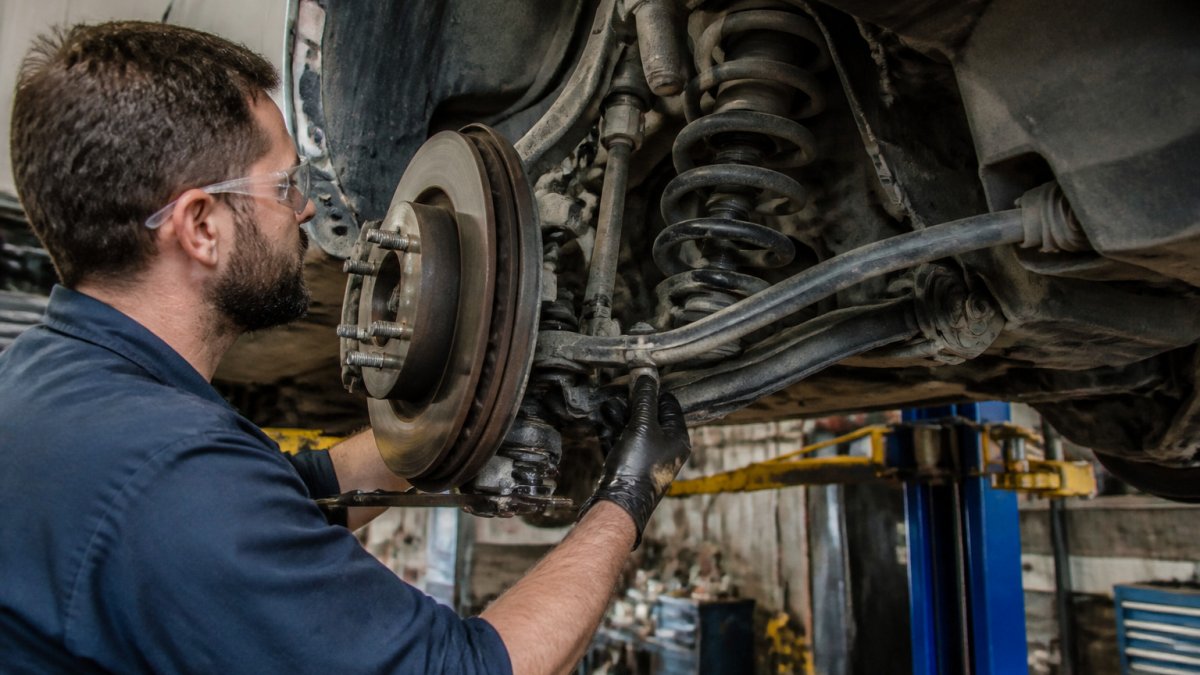
Suspension is the system of springs, shock absorbers, struts, linkages and bushes that connects your wheels to the car body. It absorbs bumps and keeps the tyres in contact with the road. A healthy suspension keeps the car stable when you corner, brake and accelerate, so the driver stays in control.
Worn suspension rarely fails all at once. It usually loses performance bit by bit, so the change feels normal until you compare it with how the car used to drive. That is why regular checks matter, especially on older vehicles and on cars that carry heavy loads.
Signs Your Car Needs Suspension Repair: The Main Symptoms
Most suspension problems show up in how the car rides, sounds and handles. Watch for these common signs of suspension damage:
- A rough or bumpy ride
- Excessive bouncing after bumps
- Knocking, clunking or squeaking noises
- Poor handling or reduced stability
- Steering that feels loose, or a car that pulls to one side
- Uneven tyre wear
- A car that leans in corners or sits unevenly
If you notice one of these, do not ignore it. Several symptoms together are a stronger sign that the suspension needs attention.
Bumpy or Rough Ride and Excessive Bouncing
A car with healthy shock absorbers settles quickly after a bump. If the car keeps rocking up and down, the shocks or struts are likely worn. A harsh, jarring ride over small bumps is another common clue.
Watch out: a car that bounces after a bump can still feel safe to drive, but worn shocks lengthen your braking distance. Get them checked soon rather than waiting.
Knocking, Clunking or Squeaking Noises
Noises from the suspension are easy to dismiss, but they often point to worn bushes, ball joints, or loose components. A clunk when you drive over a dip, or a knock when you turn the wheel, is worth investigating. Squeaks can come from dry or worn rubber parts.
How to Check Car Suspension at Home in Five Simple Steps
You can do a basic check at home before you visit a workshop. These checks are safe and simple, but they cannot replace a professional inspection. What they can do is help you describe the problem accurately and decide how urgently you need to book in.
- Park on level ground. Make sure the car is off, in park or in gear, with the handbrake on. Chock the wheels if you are working near a slope.
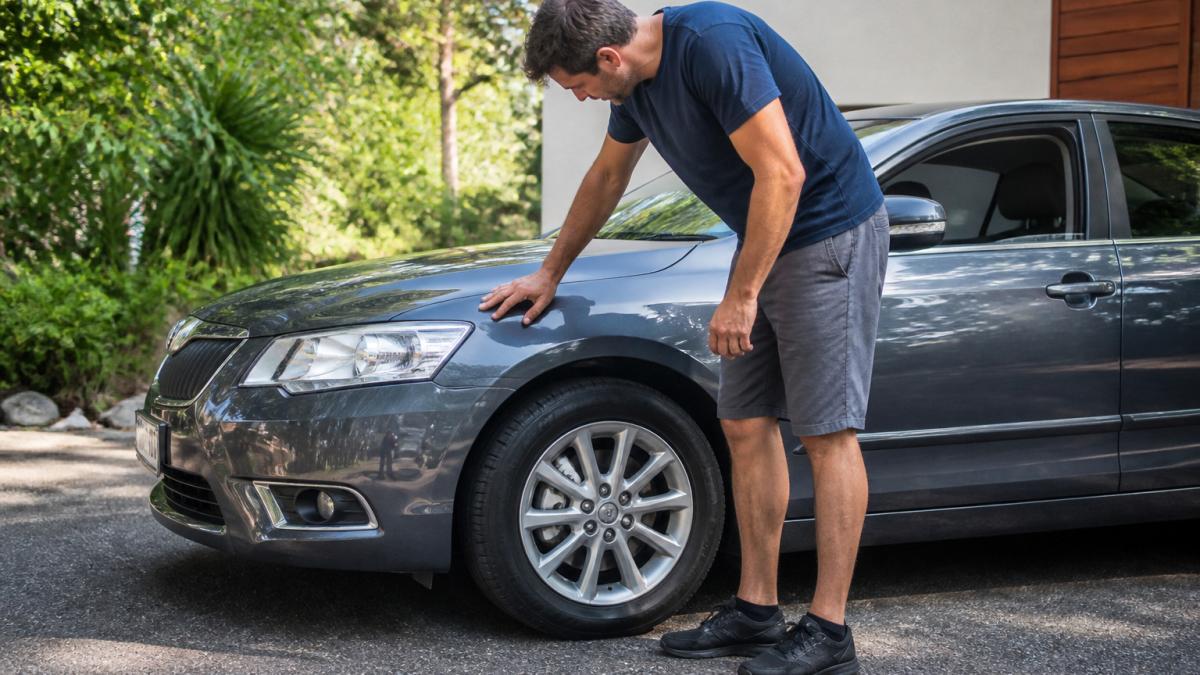
- Do the bounce test. Push down hard on each corner of the car and let go. The car should rise once and settle within one or two movements. Continued rocking points to worn shocks or struts on that corner.
- Look at the shock absorbers and struts. Check each unit for oil or grease leaking down the body. A wet, oily shock is usually worn out. Also look for torn or perished rubber dust boots.
- Inspect the tyres. Run your hand across the tread (with the engine off and the car in park) and look for uneven wear, one edge worn more than the other, cupping patches, or a feathered feel. These patterns can mean suspension or alignment problems.
- Listen while driving. Drive slowly over a few bumps and listen for clunks, knocks or squeaks. Note which corner the noise comes from and whether it happens over bumps, when turning, or when braking.
Match the Symptom to the Likely Component
A home check is more useful when you know which part is most likely responsible. Use this as a guide, not a diagnosis:
- Continued bouncing after a bump, shock absorbers or struts on that corner.
- Oil weeping from a shock or strut body, that unit is worn and should be replaced, usually in pairs on the same axle.
- Clunk over dips or when turning, worn bushes, ball joints, or loose sway bar links.
- Squeak over speed humps, dry or worn rubber bushes, or a worn strut mount bearing.
- Car sits lower on one corner, a broken or sagging coil spring, or a collapsed strut.
- Uneven or cupped tyre wear, worn shocks, worn bushes, or an alignment problem that may have been caused by suspension wear.
- Steering feels loose or vague, worn tie rod ends, ball joints, or steering rack bushes.
Know When to Stop Driving
Some symptoms are safe to monitor for a few days; others are not. Arrange prompt inspection, and avoid highway driving or towing, if you notice any of the following:
- A clunk or knock that gets worse quickly, or a wheel that feels loose.
- The car pulling hard to one side under braking.
- Visible fluid leaking from a strut or shock.
- A corner of the car sitting noticeably lower than the others.
- Steering that feels disconnected or requires constant correction.
If in doubt, book an inspection before your next long drive. A suspension fault that affects wheel location or steering can worsen suddenly.
A home check can confirm a symptom but cannot confirm which part has failed or whether it is safe to keep driving. Only a workshop inspection with the car on a hoist and a road test can do that.
If you find any of these signs, book a professional inspection rather than trying to repair the suspension yourself.
Signs of Bad Shocks and Struts to Watch For
Shocks and struts control how the spring moves, so they have a big effect on ride quality and handling. Common signs they need replacing include:
- Oil leaking from the shock body
- The car nose-diving hard when you brake
- The car squatting or sagging when you accelerate
- Body roll that feels excessive in corners
- Tyres that wear unevenly over time
Worn struts are a major part of a suspension check, because they also support the steering geometry. Problems here can affect steering and tyre wear at the same time.
When to Replace Shock Absorbers and Whether to Do Them in Pairs
Shock absorbers usually wear out gradually, so you may not notice the change until the ride has been poor for some time. If one shock fails, the other on the same axle has usually been working just as hard and is close to failing as well.
For this reason, many mechanics recommend replacing shocks in pairs, on the same axle. This keeps the car balanced and handling evenly from side to side. Replacing only one can make the car feel unstable, especially in corners or under braking.
Suspension Repair Cost and What Affects the Price
Suspension repair costs vary widely because the system has many parts, and the bill depends on which ones have failed. Pricing depends on your specific vehicle, which components are worn, and the labour involved. For a current quote, contact Northside Autocare directly.
What Drives the Final Quote
- Vehicle make and model, parts availability and complexity vary enormously. A common Australian sedan is cheaper to repair than a low-volume European or a modified 4WD.
- How many components are worn, a single worn sway bar link is a small job; worn struts, springs, and bushes together is a much larger one.
- Whether parts are replaced in pairs, shocks and struts are usually replaced on the same axle together, which affects the total but keeps handling balanced.
- Corrosion and seized fasteners, older vehicles often need extra labour to free rusted bolts, which adds time to the quote.
- Alignment after the repair, suspension work changes geometry, so a wheel alignment is normally required afterwards and should be budgeted for.
Suspension, Alignment, or Tyres? Telling Them Apart
These three overlap, and drivers often pay for the wrong one first. A few rules of thumb:
- Uneven or feathered tyre wear can be caused by worn suspension parts, by alignment, or by both. If a suspension component is replaced, an alignment check is usually needed afterwards because the geometry has changed.
- A car that pulls to one side may have an alignment problem, a dragging brake, or a worn suspension component. A workshop inspection should rule out the suspension cause before an alignment is sold.
- A vibration or shake at speed is more often a wheel balance or tyre issue than a suspension fault, but worn shocks can also contribute.
- Cupped or scalloped tyre wear is a classic sign of worn shocks, because the tyre is not being held firmly to the road.
If you are unsure which service you need, ask for an inspection first rather than booking an alignment or new tyres on a guess.
Get a written quote that separates parts, labour, and alignment. That makes it easy to compare workshops and to see whether the price reflects the work actually needed.
Pricing depends on your specific vehicle and parts, so for a current quote, contact Northside Autocare directly.
The main factors that drive the final suspension repair quote are summarised below.
| Factor | Effect on price | Note |
|---|---|---|
| Vehicle make and model | Varies enormously | Low-volume European or modified 4WD costs more |
| Number of worn components | Small to large job | One sway bar link versus several struts, springs and bushes |
| Replacing in pairs | Raises total | Shocks and struts usually replaced on the same axle |
| Corrosion and seized fasteners | Adds labour time | Common on older vehicles |
| Alignment after repair | Extra cost | Suspension work changes geometry, so alignment is normally required |
Booking Your Suspension Inspection with Northside Autocare
If you have noticed any of these signs, the next step is a professional check. Northside Autocare can inspect your suspension and identify worn components.
Ready to get it checked? Book your suspension inspection with Northside Autocare today and drive with confidence again.
Frequently Asked Questions
How do you know when your suspension is bad?
The most common signs are a bouncy or rough ride, the car pulling to one side, nose-diving when you brake, knocking or clunking over bumps, and uneven tyre wear. Any one of these is worth a professional look, and a combination of two or more means you should book an inspection soon. A simple bounce test at each corner of the car can also help you spot a weak shock or strut before the problem becomes expensive.
Can I drive with damaged suspension?
Light, occasional driving on a worn suspension is often possible, but it is not something to leave for long. Worn components can reduce steering control and braking stability, which matters most in wet weather, on rough roads and in emergency manoeuvres. If the car is pulling hard, leaning heavily, or you hear loud clunks, limit your driving and arrange an inspection promptly.
Should shocks or struts be replaced in pairs?
Shocks and struts are generally replaced in pairs on the same axle, because a new unit paired with a worn one gives uneven damping and handling. Replacing both front units or both rear units keeps the car balanced under braking and cornering. Your mechanic can confirm the right approach for your vehicle after inspection.
How much does it cost to repair car suspension?
Suspension repair costs depend on the vehicle make and model, which components are worn, whether parts are needed on one or both sides, and the labour involved. Northside Autocare cannot quote a fixed price in this article, so pricing depends on the specific fault and parts required. For a current estimate, contact Northside Autocare or visit the website to request a quote after an inspection.


