
Quick Summary
A safety inspection failure usually happens because of faults owners could have spotted themselves, such as blown globes, worn tyres, warning lights or cracked windscreens. Checking these areas before you book lets you fix the likely problems and avoid a return visit.
- Lighting faults are among the most common reasons cars fail, so test every light with someone outside.
- Tyres are measured for tread depth against the wear indicator bars and checked for cuts or bulges.
- Warning lights that stay on after startup can cause a fail, so have them diagnosed before the inspection.
- Replace both headlight globes together, since replacing one can leave the other dimmer and misaligned.
- Run the roadworthy certificate checklist before booking so you can fix obvious faults first.
Table of Contents
- What a Safety Inspection Checks and Why Vehicles Fail
- Lighting Faults: The Most Common Reason for Failure
- Tyre Tread Depth and Condition
- Brake, Steering and Suspension Defects
- Windscreen Damage, Warning Lights and Other Common Faults
- Roadworthy Certificate Checklist: Check Before You Book
- How Long a Roadworthy Inspection Takes and What Happens After a Fail
- Booking Your Inspection at Northside Autocare
- Frequently Asked Questions
What a Safety Inspection Checks and Why Vehicles Fail
Last Updated: November 4, 2026
Most cars that fail a safety inspection failure fail for reasons owners could have spotted in ten minutes. A safety inspection, or roadworthy inspection, checks the parts that keep a vehicle legal and safe to drive. Most of them are simple to check before you book.
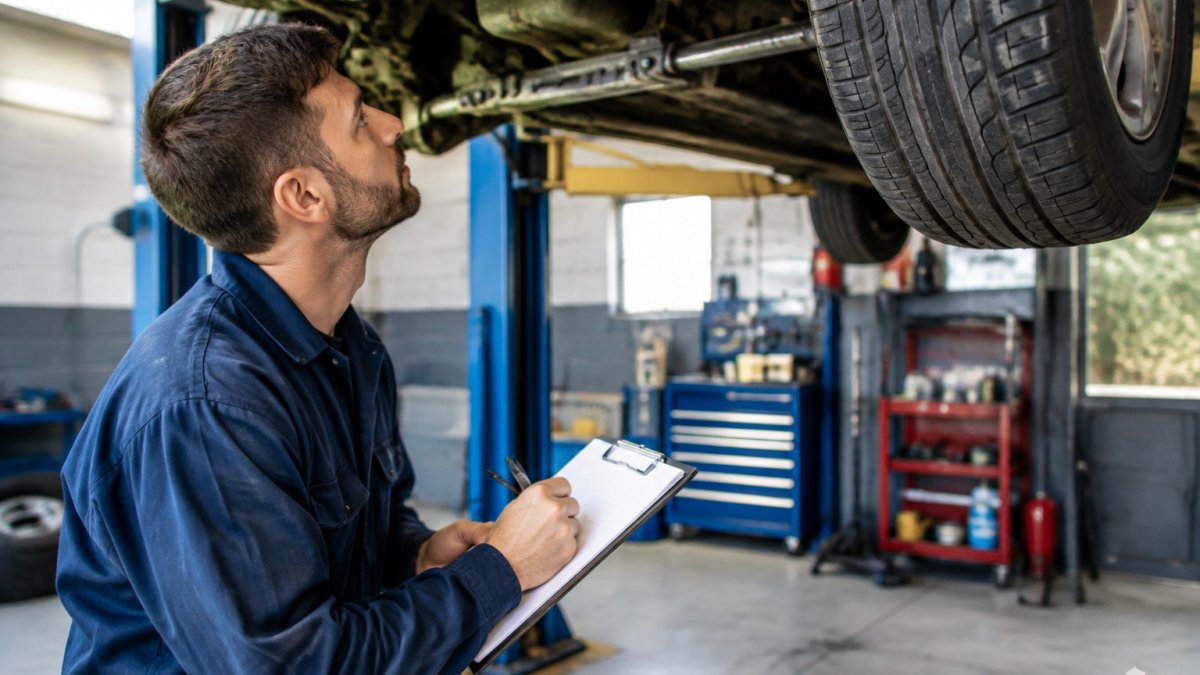
Inspectors look at lights, tyres, brakes, steering, suspension, windscreen condition, warning lights and seatbelts. They also check that the car is structurally sound and that nothing has been modified in a way that breaks the rules. Each item is either a pass or a fail, so one small fault is enough to send a car back.
Failure statistics from third-party inspection sources are not verified here, but in general a large share of failures come from parts that are cheap to check and often cheap to fix.
Why vehicles fail is usually predictable:
- Blown or dim globes, and headlights out of alignment
- Tyres worn below the legal tread depth or showing damage
- Brake pads thin or fluid leaking
- Cracks in the windscreen within the driver’s view
- Warning lights that stay on after startup
Knowing what the inspector checks gives you a head start. The sections below cover each area in turn, so you can fix the likely faults before your appointment.
Lighting Faults: The Most Common Reason for Failure
Lighting faults are among the most common reasons cars fail, which makes them a good first thing to check.
The good news is that most lighting faults are quick to find. Ask someone to stand outside while you test each light. Check headlights on low and high beam, indicators, brake lights, reverse lights, the number plate light and fog lights if fitted.
Common lighting problems include:
- A blown globe, which is often a cheap and quick replacement
- Cracked or cloudy lenses that reduce light output
- Headlights out of alignment, which dazzle other drivers
- Wiring faults that cause a light to flicker or stay off
Watch out: Replacing one globe in a pair can leave the other dimmer and misaligned. Replace both at the same time if the old one has been burning for years.
Tyre Tread Depth and Condition
Tyres are a common reason for inspection failure. The inspector measures tread depth and looks for bulges, cuts, exposed cords and uneven wear.
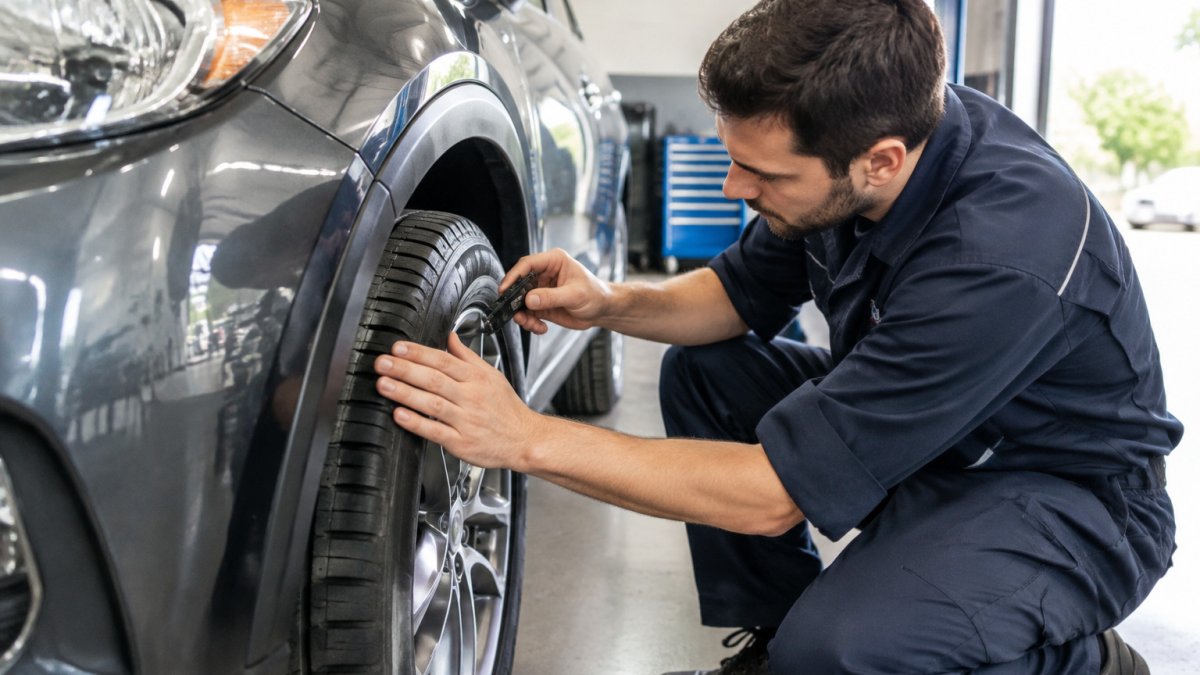
Check your tyres with a simple tread depth gauge or the tread wear indicator bars moulded into the tread. If the tread is at or near the indicator bar, the tyre is close to failing.
Uneven wear can point to a bigger problem, such as wheel alignment or suspension wear. Worn tyres on one side of the car often mean the steering or suspension needs a look.
Brake, Steering and Suspension Defects
Brakes are a common cause of inspection failure. Steering and suspension faults are also common, and they often show up together because they share parts.
Look out for these signs:
- A squeal or grinding noise when braking
- The car pulling to one side under braking
- A soft or spongy brake pedal
- Brake fluid leaking or low in the reservoir
- Clunks over bumps or a loose steering wheel
Brake pad thickness matters. Pads that are worn down to the wear indicator will fail. Brake lines and hoses should show no cracks, leaks or chafing.
Suspension components like shock absorbers, springs, ball joints and steering linkages need to be firm and free of play. If you find any of these worn, our steering and suspension service covers the repairs. A worn part can be dangerous, so have it checked rather than waiting for the inspection to find it.
Watch out: A brake warning light that stays on after the car starts is a fault, not a reminder. Get it checked before the inspection.
Windscreen Damage, Warning Lights and Other Common Faults
Chips and cracks in the driver’s line of sight are a common reason for failure. Small chips away from the driver’s view are often acceptable, but check your local rules.
Warning lights are another common issue. The dashboard should show all warning lights when you turn the ignition on, then clear them once the engine runs. Any light that stays on, such as the engine, airbag, ABS or battery light, can cause a fail.
How diagnostic codes actually cause a fail
Modern inspectors plug a scan tool into the OBD port and read stored and pending codes. A code does not always mean a part has failed; it can be logged by a momentary sensor glitch, a low battery or a loose connector.
Other faults to check
- Seatbelts that do not latch, retract or show fraying; check every seating position, including the middle rear
- Horn that does not work
- Wipers that streak or do not clear the screen, and washers that do not spray
- Exhaust leaks or a damaged catalytic converter, which can also trigger an engine light
- Rust on structural areas, such as the chassis, sill panels or suspension mounting points
- Fluid leaks from the engine, gearbox or steering, which may be minor seepage or a genuine leak depending on the inspector’s judgement
- Modified suspension, exhaust or lighting that is not engineered or compliant, which is a common fail for 4WDs and modified vehicles
Why the rules differ by jurisdiction
Safety inspection standards are set by each state and territory, so the inspected items and rules on modified vehicles can differ.
Work through this list at home. Fixing these before the inspection saves a return visit.
Roadworthy Certificate Checklist: Check Before You Book
A quick self-check before booking can save time and money. Go through the list below, fix anything obvious, and then book your inspection.
- All headlights, indicators, brake lights and reverse lights work
- Headlights are aligned and not cloudy
- Each tyre is above the legal tread depth with no cuts or bulges
- Brake pedal feels firm and there is no warning light
- No fluid leaks under the car
- Steering feels tight and the car does not pull to one side
- Windscreen has no cracks in the driver’s view
- Wipers and washers work
- Horn works
- All seatbelts latch and retract properly
- No warning lights stay on after startup
- No obvious rust or body damage on the chassis
If you tick every box, your car is likely ready. If not, fix the faults first. A roadworthy certificate lists everything the inspector checked, so keep it with your records.
The roadworthy certificate checklist is most useful when you run it before any booking. Doing so will cut the chance of a fail, and it gives you a clear list of what to fix.
Note on costs: For current pricing, please contact Northside Autocare directly or check our website for a quote.
Before you book, run through these common fault areas and the quick checks that catch them.
| Fault area | Quick check | Typical sign |
|---|---|---|
| Lighting | Test each light with someone outside | Blown globe, cloudy lens, misaligned headlight |
| Tyres | Measure tread against the wear indicator bars | Tread at or near the indicator, cuts, bulges |
| Brakes | Note noises and pedal feel | Squealing, pulling to one side, spongy pedal |
| Windscreen | Check the driver’s line of sight | Cracks or chips within the wiper sweep |
| Warning lights | Confirm lights clear after startup | Any light that stays on |
| Seatbelts | Latch and retract each belt | Belts that fail to latch or show fraying |
How Long a Roadworthy Inspection Takes and What Happens After a Fail
The duration of a roadworthy inspection depends on the vehicle and any faults found, so the best way to plan is to ask when you book. You can see the details of our RWC/COI certificate service before you schedule.
If your car fails, you will receive a list of the faults. Most can be fixed the same day, depending on parts and workshop schedule. Once the repairs are done, the car needs a re-inspection.
After a failed inspection
The rules on how long you have to repair and re-inspect are set by your state or territory road authority. Confirm the current rule with that authority before you book repairs, and do not assume a grace period exists.
A practical sequence after a fail:
- Read the fault list carefully and ask the inspector to explain anything unclear, especially items marked as major versus minor.
- Get a written quote for repairs before work starts, itemised by fault so you can compare against the inspection report.
- Ask whether the workshop can complete the repairs and present the car for re-inspection in one visit, which usually saves a second booking fee.
- Book the re-inspection once repairs are complete and keep the original report and the repair invoice together.
- If the car is not roadworthy, confirm whether you are permitted to drive it to the repairer or whether it needs to be towed; this varies by jurisdiction and by the severity of the defect.
Repair or scrap?
If the repair quote is high relative to the vehicle’s value, and the faults include structural rust or a damaged chassis, scrapping or trading in may be the better decision.
Watch out: Driving an unroadworthy vehicle after a fail can attract penalties and may void insurance cover in the event of a crash, so confirm your legal position with the relevant road authority before moving the car.
What to do after a fail:
- Read the fault list carefully and ask questions about anything unclear
- Get a written quote for repairs before work starts
- Book the re-inspection once repairs are complete
- Keep the report for your records
Delaying repairs can leave you unable to legally drive the car, so act quickly.
Booking Your Inspection at Northside Autocare
Northside Autocare offers comprehensive safety and roadworthy certificate (RWC/COI) inspections for cars, trucks, 4WDs and caravans, and uses advanced diagnostic tools.
Booking is simple. Use the checklist above to fix any obvious faults, then contact us to schedule your inspection. If you have a 4WD or heavily modified vehicle, let us know when you book so we can prepare.
Ready to book? Contact Northside Autocare today to schedule your safety inspection and avoid a safety inspection failure, so you can get back on the road with confidence.
Frequently Asked Questions
What happens if my car fails a safety inspection?
A failed inspection means the vehicle is not roadworthy until the listed defects are repaired and it passes a re-inspection. The inspector will give you a written list of the faults. Most common issues, such as a blown globe or worn tyres, are straightforward to fix. Driving a vehicle with a defect that makes it unsafe can attract fines, and an insurer may refuse a claim if an accident involves a known fault. Northside Autocare can carry out repairs and the re-inspection, and you can contact us for current pricing.
Can I drive my car if it fails a safety inspection?
Generally no, not in the normal way. If the failure is for a defect that makes the vehicle unsafe, you should not drive it except to take it to a repairer or to a re-inspection. Check the rules in your state, as they vary. Arranging a tow may be the safest option for serious faults such as brake or steering problems. If you are unsure which applies to your fault, ask the inspector or a licensed repairer before you drive.
How long do I have to fix a car after a failed inspection?
The time allowed to repair and re-present a vehicle is set by the state or territory road authority. Confirm the current deadline with that authority. Your failure report should state the deadline. Booking the repairs promptly avoids paying for a second inspection and keeps the vehicle legal to drive. Contact Northside Autocare for a quote on repairs and re-inspection.


